Steak Doneness Guide – Rare vs Medium vs Well Done
Rare, medium, or well done? The way your steak is cooked defines its flavor, texture, and overall experience.
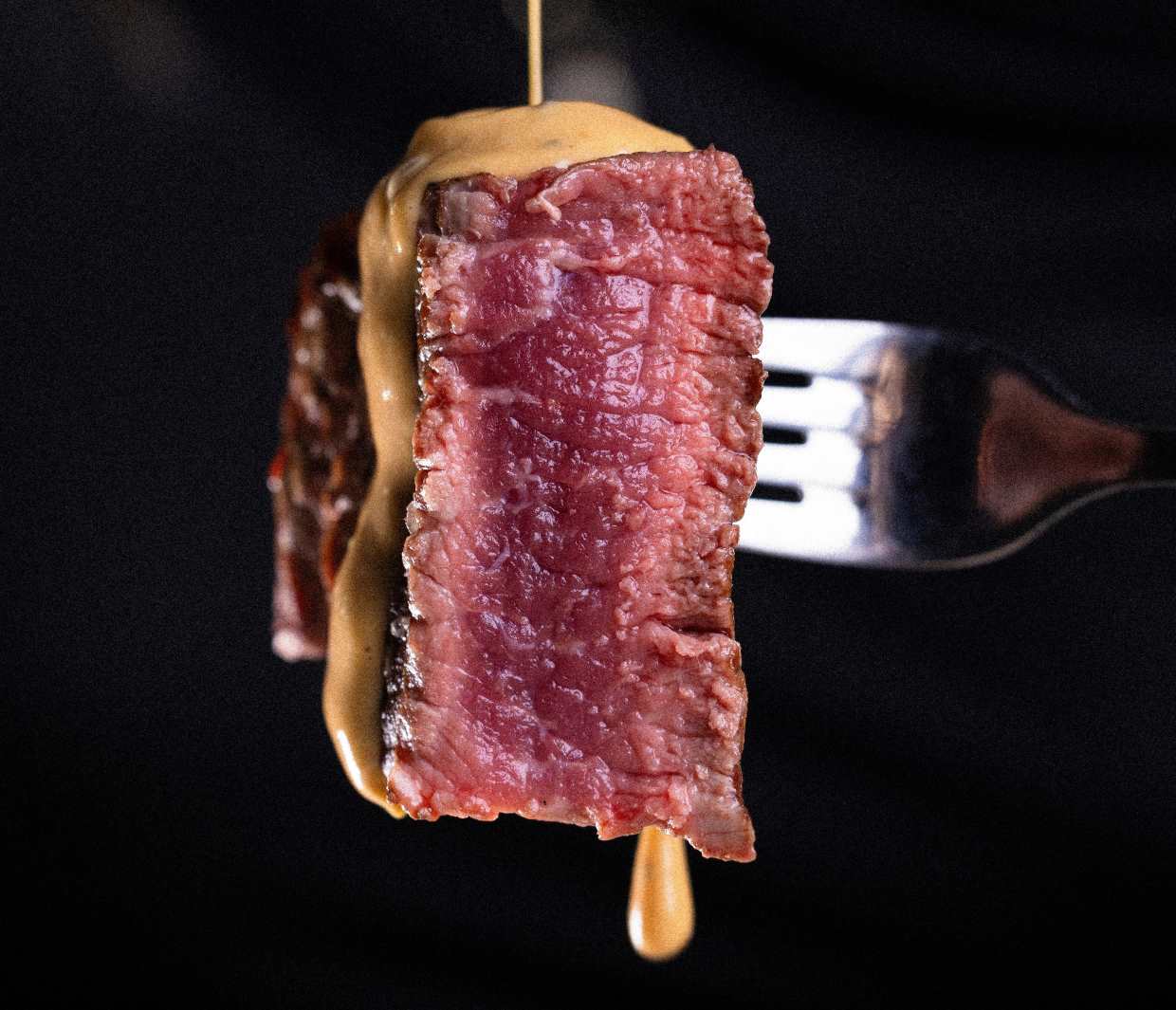
How to Choose Steak Doneness (Rare vs Medium vs Well Done)
Choosing the right steak doneness is just as important as choosing the cut itself.
If you’re unsure whether to order rare, medium, or well done, understanding the differences can completely change your dining experience.
And if you’re looking for the best steak in Krakow, knowing how doneness affects flavor and texture is the first step.
What Does Steak Doneness Mean?
Steak doneness refers to how long the meat is cooked and the internal temperature it reaches.
This affects:
- texture
- juiciness
- flavor intensity
The same cut of beef can taste completely different depending on how it is prepared.
Rare – Soft, Juicy, and Full of Character
Rare steak is lightly seared on the outside while remaining cool to warm inside.
Characteristics:
- very tender texture
- maximum juiciness
- deep, natural beef flavor
This is the preferred choice for those who want to experience the full character of the meat.
Medium Rare – The Balance Most People Love
Medium rare is often considered the ideal doneness for steak.
Characteristics:
- warm, red center
- balanced tenderness and structure
- rich flavor with retained juices
It offers the best balance between texture and taste, making it a popular recommendation in steakhouses.
Medium – More Structure, Less Juice
Medium steak has a warm pink center and a firmer texture.
Characteristics:
- less juice than medium rare
- slightly more chew
- milder flavor
This is a good option if you prefer a more structured bite without losing too much tenderness.
Medium Well and Well Done – Fully Cooked
At higher levels of doneness, the steak becomes more firm and less juicy.
Characteristics:
- minimal to no pink inside
- firm texture
- reduced juiciness
While some guests prefer this level, it naturally changes the character of the meat.
Which Doneness Should You Choose?
It depends on what you value most:
- for maximum flavor → rare or medium rare
- for balance → medium rare or medium
- for fully cooked texture → medium well or well done
There is no single “correct” choice — only what suits your preference.
How Doneness Affects Different Cuts
Not all steaks respond the same way to heat.
For example:
- ribeye benefits from medium rare, where fat melts and enhances flavor
- hanger steak is best served medium rare to preserve its intensity
- lean cuts like filet become firmer more quickly
Choosing the right doneness for the cut makes a noticeable difference.
What to Expect at a Steakhouse
At Mucca Steakhouse, the goal is to help guests enjoy each cut at its best.
The team focuses on:
- proper cooking precision
- consistency
- guiding guests when needed
Located in Krakow Old Town, just steps from the Main Market Square, it’s a place where both beginners and steak lovers can feel confident in their choice.
A Simple Rule to Remember
If you’re unsure, medium rare is always a safe and recommended starting point.
From there, you can adjust based on your preference.
Visit Mucca Steakhouse
If you’re planning to visit a steakhouse in Krakow, it’s also worth understanding what truly defines quality — from the cut of beef to preparation and consistency.
To see what really matters, check what to look for in a steakhouse in Krakow