How to Prepare a Delicious Grilled Beef Steak
Grilling beef steaks is a true art that requires precision, patience, and the right knowledge—but don’t worry, you don’t have to be a professional chef to achieve masterful results. With a few proven tips and a dash of passion, you can impress your guests with every bite. Properly preparing the meat is the key to creating a dish that’s full of flavor, juiciness, and perfect texture—a real treat for the palate. This article provides detailed tips on choosing meat, grilling, and serving to help you achieve culinary perfection that every grill enthusiast deserves.
Choosing the Meat: The First Step to a Perfect Steak
Before you start grilling, you need to select the right beef. The quality of the meat is crucial to the final flavor of the steak. What you put on the grill directly translates to the end result, so the choice of meat shouldn’t be left to chance. Well-selected beef, rich in flavor and with the right texture, forms the foundation of the perfect steak.
Beef Breeds and Meat Quality
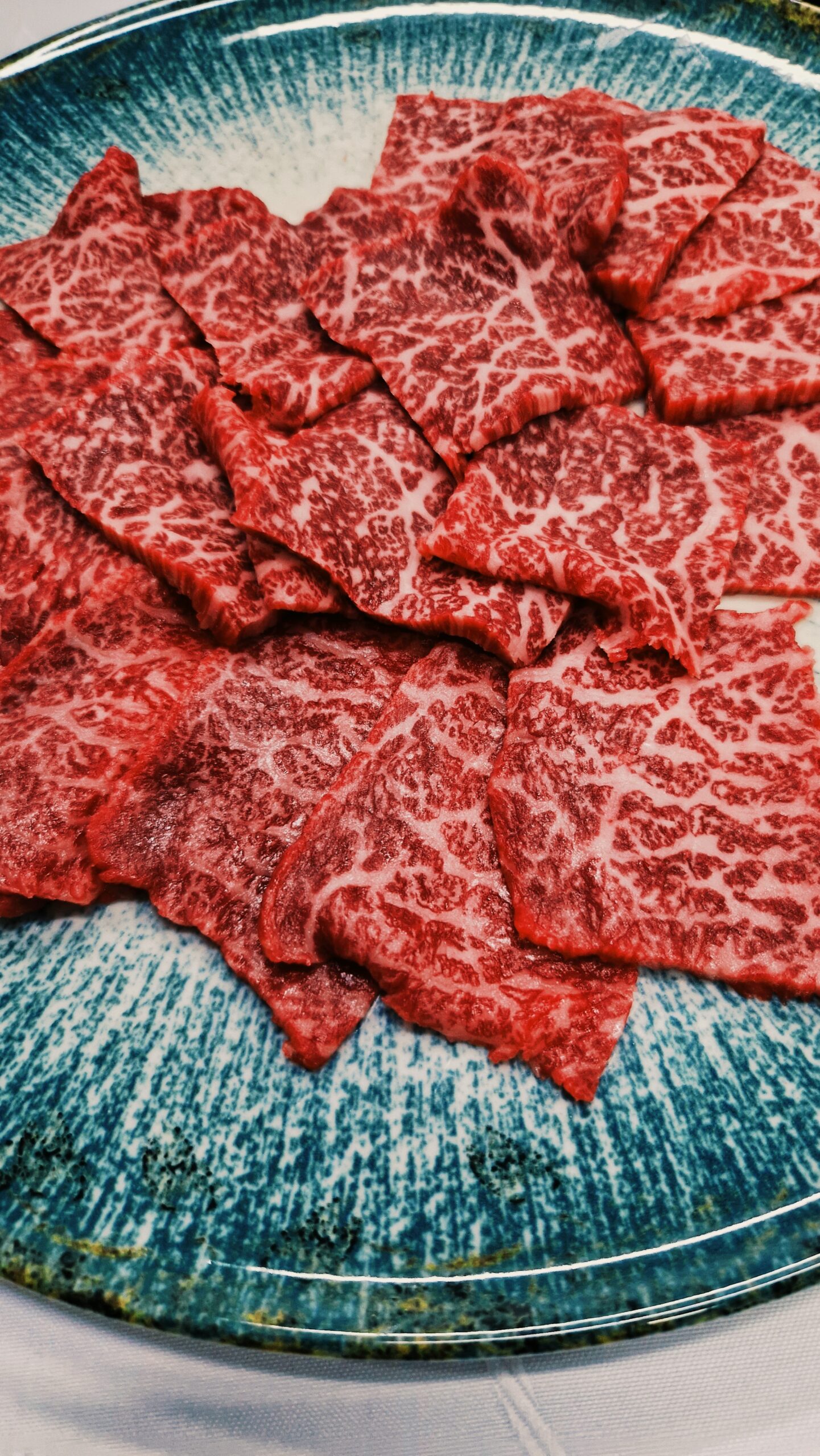
The best steaks come from beef breeds like Black Angus, Hereford, Rubia Gallega, Simental, or Wagyu. These breeds aren’t random; their meat is renowned for its high marbling—the even distribution of fat—which gives steaks exceptional juiciness, tenderness, and flavor. This fat melts during grilling, making every bite melt in your mouth. Avoid industrial dairy breeds; instead, choose beef breeds raised specifically for their meat, known for richer textures and flavors.
Dry-Aging: The Secret to Perfect Flavor
Perfect steaks are dry-aged, a process that enhances the meat’s tenderness and intensifies its flavor. The beef matures in controlled conditions, low humidity, and temperature for at least 30 days. This breaks down proteins and fats naturally, creating concentrated, full flavors. A longer aging process results in a more complex steak flavor. The dark color of aged meat is a sign that it’s ready to grill.
Best Cuts for Steaks
Not every piece of beef is suitable for a steak. Classic cuts like Ribeye, T-bone, and Tenderloin are popular for their tenderness and deep, buttery flavor. However, you can also try less common cuts like Flat Iron, Hanging Tender, or Picanha for intense, rich flavors at a lower cost—true treats for connoisseurs!

Steak Thickness
The thickness of the steak is crucial for the final result. A steak that’s too thin dries out quickly, while a thick one may be difficult to cook evenly. The ideal thickness is 2.5 to 5 cm, allowing the meat to stay juicy and giving you control over doneness.
Preparing the Steak Before Grilling
Bring the steak to room temperature before grilling. Cold meat won’t cook evenly—outside may burn while the inside stays cold. Let it rest and reach room temperature for the best result. Dry the steak with a paper towel before grilling to get a better crust.
Grill Preparation and Temperature
To get a perfect steak, heat the grill to 230-260°C. This temperature allows the steak’s surface to sear quickly, sealing in juices while forming a flavorful crust. Use direct heat for a few minutes on each side for proper searing while maintaining juiciness.
Two-Zone Grilling Method
The two-zone method, where one side of the grill is high heat and the other is lower, ensures perfect grilling. Sear the steak over high heat to form a crust, then move it to a cooler zone to finish cooking slowly, retaining its juiciness.
When to Flip the Steak?
Flip the steak only when it naturally releases from the grill. If it sticks, let it grill a bit longer. Too many flips can prevent the steak from developing a nice crust.
Use the Lid
Close the grill lid to create an oven-like environment. This circulates heat evenly, helping the meat cook through without losing its juiciness.
„Levels” and How to Control Them
The best tool to control doneness is a meat thermometer:
• Blue: 48°C
• Rare: 52°C
• Medium rare: 54°C
• Medium: 56-58°C
• Medium well: 61°C
• Well done: 62°C (not recommended 😉)
Less is More with Seasoning
For top-quality beef, keep seasoning minimal. Sea salt and freshly ground pepper are all you need. Olive oil is optional and adds a sheen without dominating the flavor.
Salt Before or After?
Now we arrive at the great debate: when should you salt the steak? We leave that to your judgment and preference. Salting just before placing the meat on the grill reportedly yields the best results. Salt draws moisture from the surface of the meat, which, combined with the hot grill, creates a beautiful, crispy crust without losing internal juiciness. Don’t worry that the meat will lose its juices—salt works on the surface, creating a layer that protects the inside of the steak.
Resting the Meat
After grilling, let the steak rest for 5-7 minutes to allow the juices to redistribute throughout the meat, ensuring juiciness with every bite.
Slicing Against the Grain
Always slice the steak against the grain to make it more tender and easier to chew.